
Drones and Space startups have evolved from a niche technology or industry segment to mainstream application and infrastructure. This rising demand for these technologies and devices has led to higher demand for graduates with a B Tech Aerospace Engineering, especially from premier universities like Alliance University Bangalore.
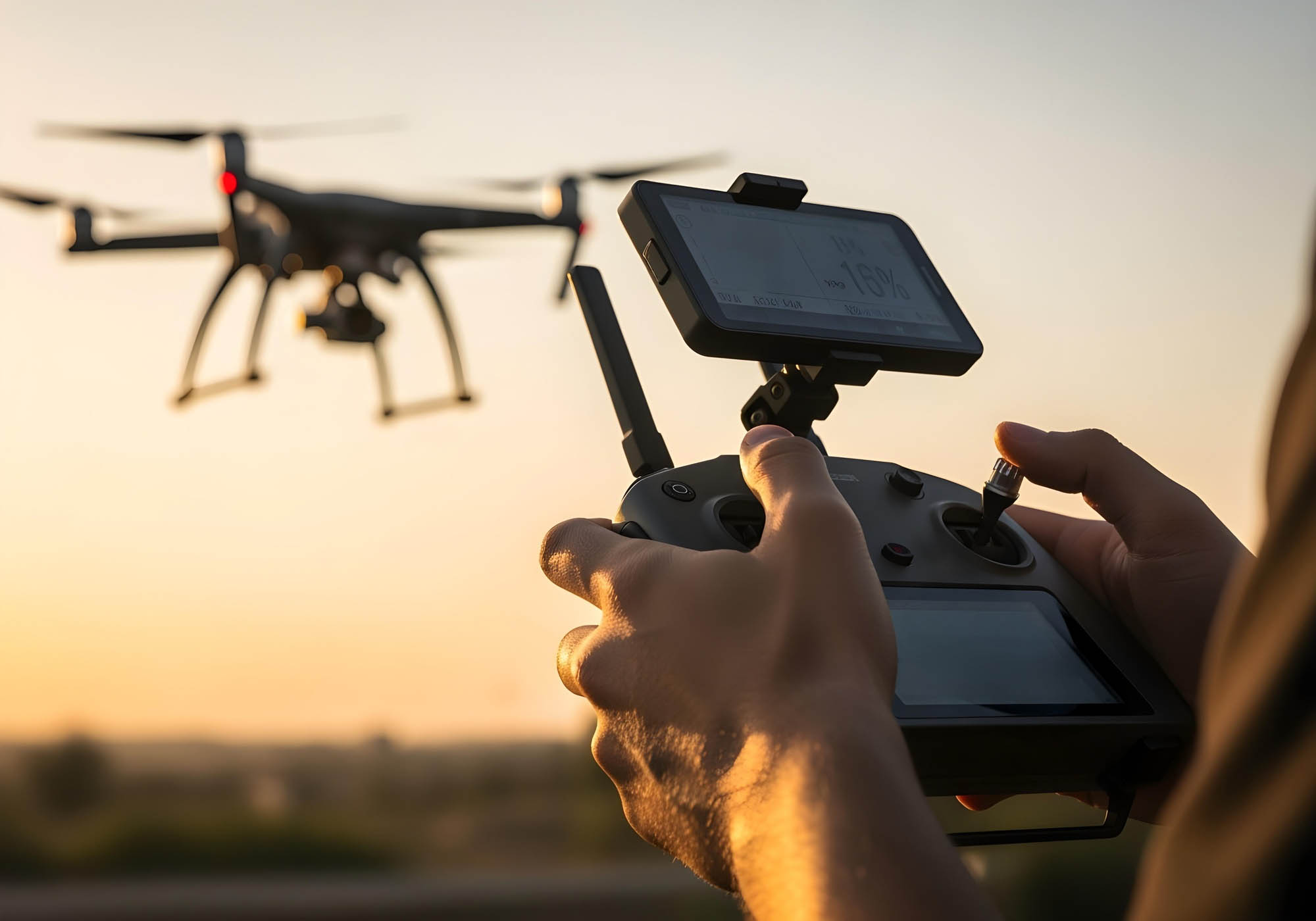
An Industry Overview (As of September 2026)
- According to Ministry of MSME reports and private platforms, we have around 526 to 937 Drone startups and related companies as of September 2026.
- India’s drone ecosystem comprises around 38,500 registered drones, 244 approved training institutes, and 39,890 DGCA-certified remote pilots.
- The private space sector has 440+ active startups, supported by Government policies. Indian Space Economy employs around 45,000 people and is projected to reach $45 billion by 2030.
- Prominent Launch Vehicle Startups: Skyroot Aerospace, Agnikul Cosmos, EtherealX
- Satellite and Earth Observation Startups: Pixxel, Dhruva Space, GalaxEye Space, SatSure
- Space Situational Awareness and Propulsion: Digantara, Bellatrix Aerospace, Manastu Space
In today’s article, we explore this crucial industry shift, supported by Government policies and private-sector participation, and its impact on demand for Aerospace and Mechanical Engineers.
We also suggest exploring top aviation colleges in India, like Alliance School of Aviation Studies, for a curated, industry-aligned engineering program. Let’s begin.
Is Aerospace Engineering Still Only About Aircraft
The scope of aerospace engineering has widened significantly beyond ‘only about aircraft’ with the mentioned industry trends in drones and space sectors. With a B.Tech in Aerospace Engineering, you learn and can explore careers in;
- Unmanned Aerial Systems
- Propulsion
- Avionics
- Satellite Systems
- Flight Operating Systems
- Simulation
- Manufacturing
- Space Systems
Students pursuing B Tech Aerospace Engineering are increasingly expected to understand the complete system, not just aircraft. You need technical and software skills, including;
- UAV or Drone Systems
- Avionics
- Remote Sensing
- Systems Engineering and Control Systems
- Python
- C++ Languages
The aerospace industry is becoming a cross-disciplinary career, where aerodynamics must function alongside manufacturing, mechanical, electronics, software and data.
Therefore, the best mechanical engineering colleges in Bangalore offer a syllabus where B.Tech in Aerospace Engineering and B.Tech in Mechanical Engineering often overlap, reflecting the need for mechanical engineers in the space and drone industry.
Does Mechanical Engineering Still Have a Role
Top engineering universities like Alliance University integrate these changes and updates in their syllabus and prepare students for an interdisciplinary future. A B Tech in Mechanical Engineering syllabus nurture your skills beyond the degree and provides broader mobility across industries, including;
-
- Automotive
- Manufacturing
- Robotics
- Space Sector
- Drones
- Energy
- Aerospace and more
Where Do Civil and Production Engineering Fit in This Interdisciplinary Era
Although Civil and Production Engineering is not closely related to the drone and space industry. It is crucial to understand for drone-based mapping, inspection and some aspects of space tech development.
- A B Tech Civil Engineering syllabus teaches sustainable, smarter ways to design and develop infrastructure, including structural analysis, construction, and surveying.
- A Production Engineering syllabus gives you a detailed understanding of how to develop manufacturing systems, quality checks, automation, and process optimisation to achieve desired outcomes.
What career options are available for B Tech Aerospace Engineers in the space and Drone Industry
We have explored the key trends in the drone and space industry and how you can build a career in these emerging sectors with a B Tech Aerospace Engineering. Now, here are the top career options for you to explore after graduating as an Aerospace Engineer from a premier institute like Alliance University.
| Top Career Options in the Drone Industry | Top Career Options in the Space Industry |
| Drone/UAV Design Engineer | Satellite System/ Payload Engineer |
| Autonomous Flight/Avionics Engineer | Propulsion Engineer |
| UAV Testing/ Flight Test Engineer | Spacecraft/System Integration Engineer |
| Robotics & AI Integration Specialist | Research Scientist/Orbital Analyst |
Conclusion
Drones and Space startups are rewriting the scope and career prospects for B. Tech Aerospace Engineering students. However, your final decision to pursue Aerospace Engineering depends on how well you relate to these technologies, which will shape the outcome of your engineering degree.
Therefore, read the article, browse the web, and explore Alliance School of Applied Engineering (Alliance University) for an industry-ready B.Tech in Aerospace Engineering.
FAQs on B. Tech Aerospace Engineering at Alliance University
Which Specialisations Are Available with BTech Aerospace Engineering at Alliance University
BTech Aerospace Engineering at Alliance University focuses on aerodynamics, propulsion systems, flight performance, and structural integrity as the program’s core elements.
Does Aerospace Engineering offer modules on coding
Modern interdisciplinary Aerospace Engineering programs offer modules on coding and programming languages.
Are there opportunities for aerospace engineers outside the aerospace industry
The drone and space sector is growing rapidly, creating a range of career options for aerospace engineers beyond the aerospace industry.
What are the eligibility criteria for B.Tech Aerospace Engineering at Alliance University
Students aspiring for B.Tech Aerospace Engineering must have passed (10+2) with at least 50(%) marks in Physics, Chemistry/Biology, and Mathematics. For details, check their official website.
Is there any entrance exam for Aerospace Engineering admission at Alliance University
Students can take the Alliance Undergraduate Engineering Entrance Test for admission into Aerospace Engineering at Alliance University.